Mold exposure is a common but often overlooked cause of various health issues in both children and adults. Mold releases spores and mycotoxins into the air, which can trigger allergic reactions, respiratory problems, and other symptoms. People living or working in damp, poorly ventilated environments are particularly vulnerable. Early recognition of mold-related illness is crucial because prolonged exposure can worsen symptoms and lead to chronic conditions. Knowing the signs can help you seek timely medical advice and take steps to remove mold from your environment. So knowing the signs of sickness from mold in house is important here.
Early Symptoms in Children
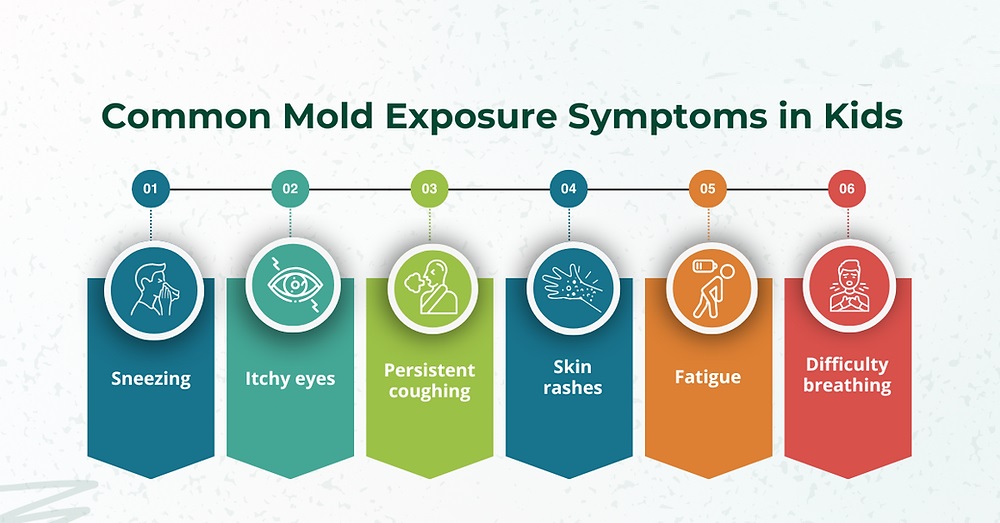
Children are especially sensitive to mold exposure due to their developing immune and respiratory systems. Early signs in kids often mimic common illnesses, which can make diagnosis tricky. Watch for persistent coughing, wheezing, or frequent sneezing. Nasal congestion, runny nose, and itchy or watery eyes are also common symptoms. Additionally, children may experience unexplained fatigue, headaches, or skin rashes. In some cases, mold exposure can exacerbate asthma or trigger new allergic reactions. If your child repeatedly suffers from these symptoms, particularly when indoors, mold exposure should be considered as a potential cause.
Identifying Mold-Related Symptoms in Adults
Adults exposed to mold may experience a wider range of symptoms, some of which can be mistaken for other conditions. Early signs include persistent nasal congestion, sneezing, coughing, and throat irritation. Many adults also report unexplained headaches, dizziness, and difficulty concentrating—sometimes referred to as “brain fog.” Skin irritation, such as rashes or itching, can also occur. For individuals with asthma or other respiratory issues, mold exposure can provoke flare-ups or worsen breathing difficulties. Adults who notice these symptoms, especially when symptoms improve after leaving a particular environment, should consider mold as a potential culprit.
Differences and Overlaps Between Age Groups
While many symptoms overlap between children and adults, children tend to exhibit more respiratory symptoms due to their developing lungs. Adults may report more systemic effects like headaches and cognitive issues. Both age groups can experience allergic reactions such as sneezing, nasal congestion, and skin irritation. Recognizing these commonalities helps in identifying mold-related illness early. It’s important to observe whether symptoms worsen in specific locations, like certain rooms or buildings, or improve when away from those environments. Keeping track of symptom patterns can assist healthcare providers in diagnosing mold-related conditions accurately.
Taking Action: Early Detection and Prevention
If you suspect mold exposure is causing illness, early intervention is key. Consult a healthcare professional who can evaluate symptoms and recommend allergy or respiratory testing. At the same time, inspect your living or working space for visible mold or signs of moisture damage. Professional mold testing and remediation may be necessary to eliminate the source. Improving ventilation, using dehumidifiers, and cleaning regularly can also reduce mold growth. By recognizing early warning signs and addressing mold issues promptly, you protect the health of your family and yourself, preventing long-term complications from mold-related illness.